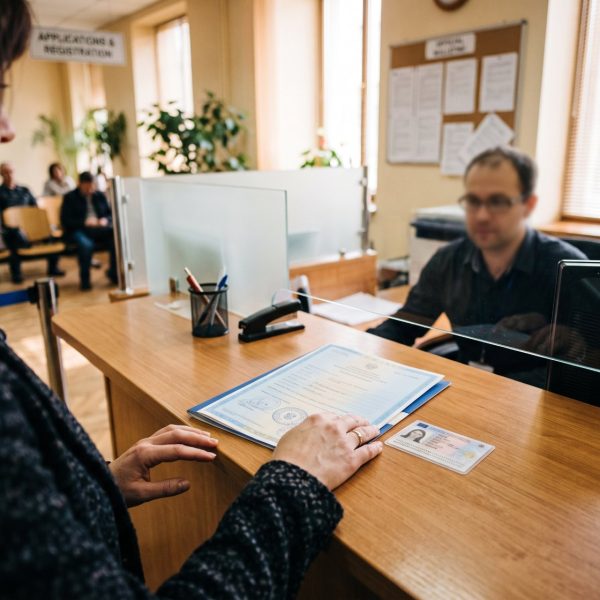
Families who arrive in a new country after fleeing hardship face a maze of forms, interviews and deadlines. Most of it is written in a language they are still learning.
Understanding legal rights should not depend on luck or on how well someone speaks the local language. Clear information is the foundation of fair treatment.
Why Clear Information Matters
Decisions about housing, schooling, health care and legal status can shape a family's future. A missed deadline or a misunderstood letter can have lasting consequences.
People can only protect their rights when they can read and understand them.
Advocates, caseworkers and volunteers play a central role in closing this gap.
Common Barriers Families Face
Legal language is complicated even for native speakers. Words like appeal, hearing and decision have specific meanings that do not match everyday use.
Translations by friends or children, though well meant, can leave out important details. Fear and stress make it harder to ask questions in a second language.
Written Guides in Plain Language
Simple, well designed guides help families prepare. A good guide explains each step, lists what to bring and says who to contact for help.
Short sentences, headings and clear examples work best. Add checklists and timelines so families know what comes next.
Working With Dutch Language Materials
In the Netherlands and Belgium, official letters, forms and decisions are written in Dutch. Families, lawyers and charities in other countries often need accurate dutch to english translation to understand a decision, support an application or follow a court process.
Ask for a translator who is familiar with legal and administrative terms, and keep the original document with the translation.
Privacy and Safety Come First
Personal stories, addresses and identity documents are highly sensitive. Mishandled information can put people at risk.
Organisations should choose providers that follow strict rules on storage, access and deletion. Learn more about confidential translation services and ask vendors how they protect your clients' files.
Use Trusted Sources
Official agencies publish guidance in multiple languages. The UN Refugee Agency provides information on rights, procedures and services in many countries, and local help centres can point families to the latest rules.
Interpreters in Meetings
Interviews and appointments are stressful. A qualified interpreter, who is neutral and bound by confidentiality, helps families speak freely.
Brief interpreters beforehand, and speak in short pieces to give them time to interpret fully.
Build Trust Over Time
Families remember who treated them with respect. Explain what you can and cannot do, keep promises and follow up on questions.
Community meetings, peer mentors and drop in sessions give families chances to learn from each other.
Know the Key Documents
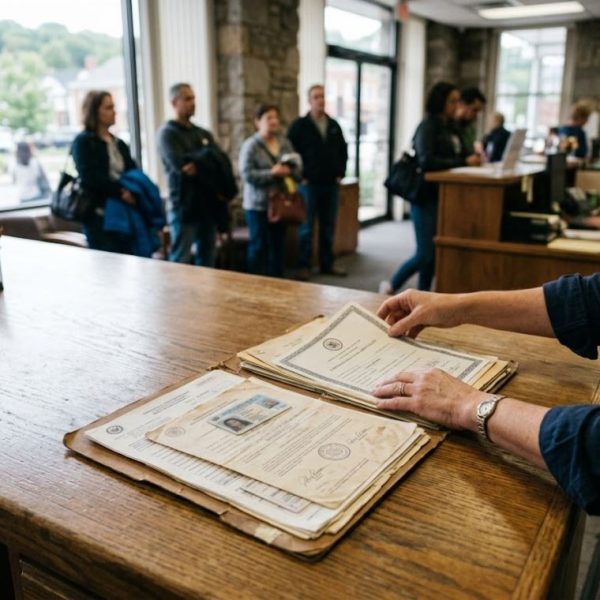
Families often carry a mix of papers: identity records, school certificates, medical reports, letters from authorities and proof of address. Each one may be needed at a different stage.
Help families make a simple list of what they have and what is missing. Scan or photograph every page and store the files in a safe place, with copies shared only with people they trust.
When an office requests a translation, ask which type it accepts, such as a certified or sworn version, so the work is done correctly the first time.
Prepare for Interviews and Hearings
Practice helps. Walk families through the typical questions, explain who will be in the room and describe what the interpreter does.
Encourage them to ask for repetition whenever something is unclear. It is better to ask twice than to answer a question that was misunderstood.
Remind them that they may bring a supporter or a legal adviser, depending on the procedure, and that they can request breaks when they need them.
Support for Children and Young People
Children often pick up the new language faster than adults, and families may lean on them to explain letters. That is a heavy burden for a young person.
Schools, clubs and community groups can offer language classes, homework help and activities that let children be children. When adults have access to proper interpreters and translated documents, children are free to focus on learning and friendships.
Training Volunteers and Staff
Volunteers bring warmth and energy, but they also need clear guidance. Short training sessions on confidentiality, working with interpreters and plain language writing make services more reliable.
Share a glossary of common legal terms in the main languages of the families you serve, and update it as procedures change. Regular team meetings give staff a space to raise questions and learn from each other.
Follow Up After Appointments
After each meeting, send a short summary in plain language, translated if needed, listing what was decided and what the next steps are. Mark any dates in a clear format and set reminders together with the family.
This simple habit prevents confusion and builds confidence over time.
Final Thoughts
Clear, accurate and confidential communication gives families the footing they need to rebuild their lives. Every translated page and every patient explanation is a step toward fairness.