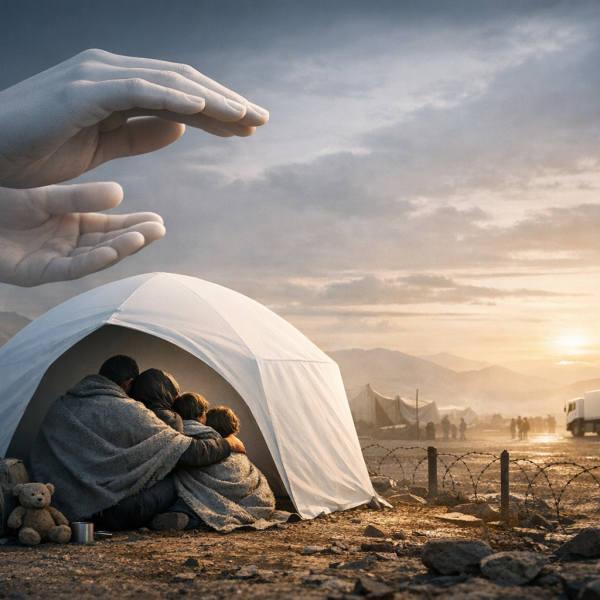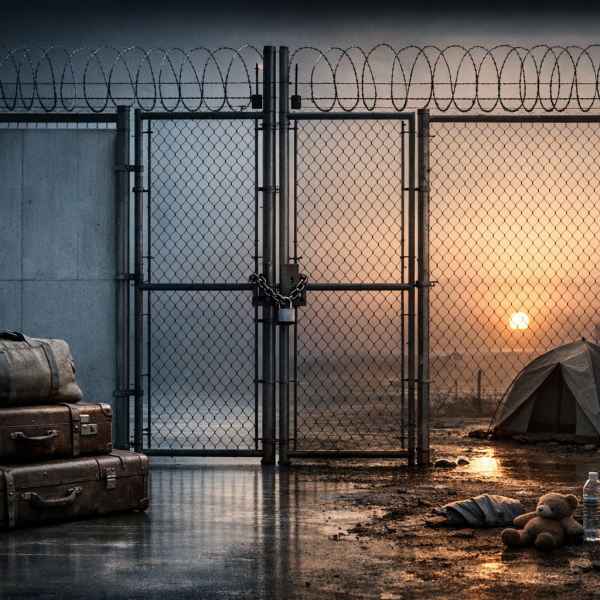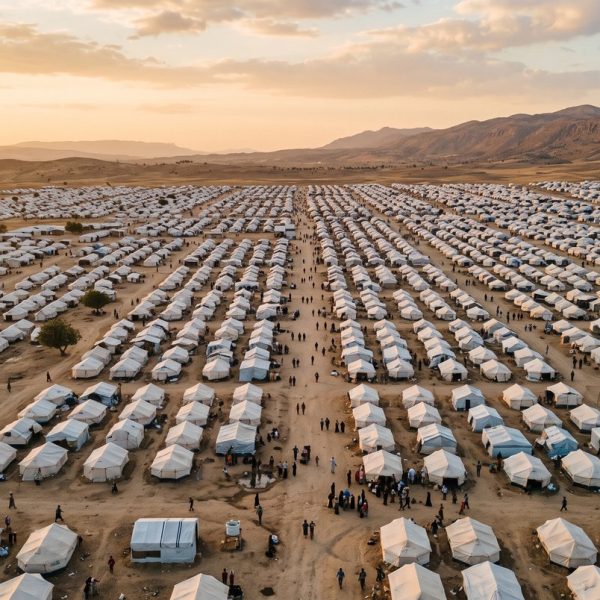
When a war breaks out or disaster strikes, people flee with whatever they can carry, and many end up in a place that was never meant to be permanent. A refugee camp is that place: a settlement, often built in a hurry, where people who have crossed a border to escape danger can find shelter, food and a measure of safety. Some camps empty within months. Others last for decades and grow into something that looks a lot like a city. Understanding what a refugee camp actually is helps cut through the headlines and see the people living inside.
What is a refugee camp, exactly?
A refugee camp is a temporary settlement set up to receive people who have fled their country, usually because of conflict, persecution or disaster. They are frequently run by the United Nations refugee agency together with host governments and aid groups. The word temporary matters, because camps are designed as a short term emergency measure, a stopgap while a longer solution is found. In practice, that solution can take years to arrive. The average time a person spends displaced now stretches well beyond a decade, which is why many camps quietly harden into permanent communities with markets, schools and their own informal economies.
Life inside the world's temporary cities
Daily life in a refugee camp is shaped by scarcity and routine. Families are assigned shelter, which might be a tent, a prefab unit or, in long standing camps, a mud brick house they built themselves. Water is often rationed and collected from shared points, and clinics and food distribution follow set schedules. The UN refugee agency's work on settlement and shelter gives a sense of the logistics involved, from laying out a site to keeping it safe and sanitary. Some of the largest camps hold hundreds of thousands of people. Kakuma in Kenya and the sprawling settlements around Cox's Bazar in Bangladesh are effectively cities, complete with businesses, places of worship and generations who have known no other home.
Who ends up in a camp, and who does not
Not everyone who is displaced lives in a camp. In fact most refugees today live in towns and cities, renting rooms and looking for work rather than sheltering behind a fence. Camps tend to form when large numbers arrive suddenly, when host countries prefer to keep new arrivals in one place, or when there is simply nowhere else to go. This is also where careful language matters, because the terms used to describe people on the move carry real legal weight. The difference between a refugee and a migrant is not just wording, as this look at migrant vs immigrant explains, and it can decide what protection and rights a person is entitled to.
The paperwork that decides a future
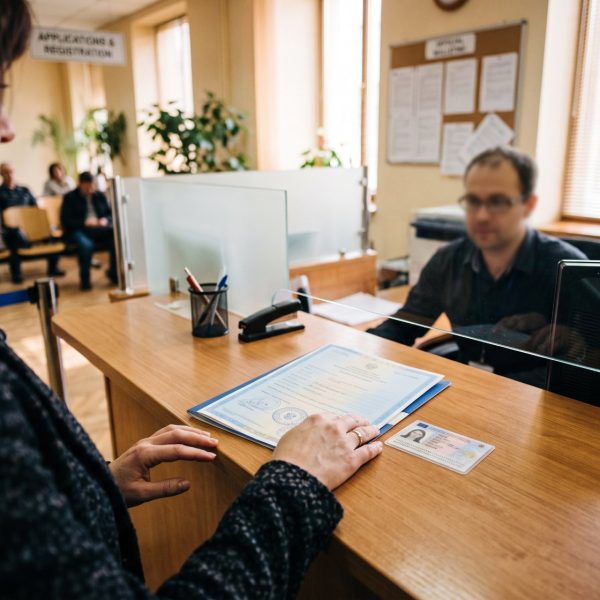
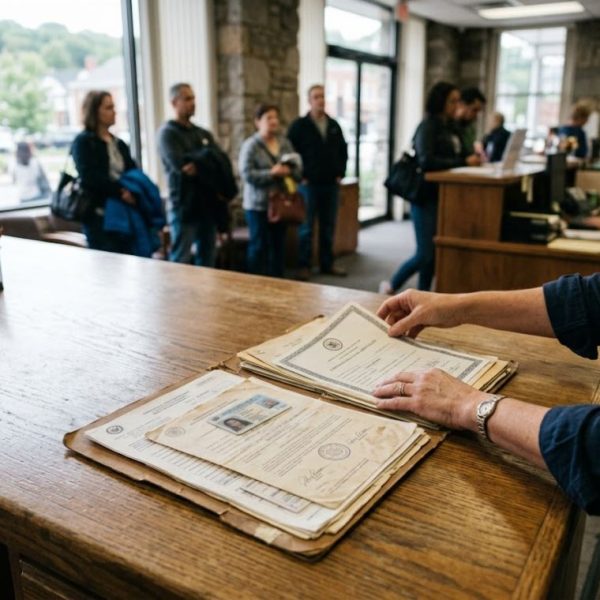
Behind every person in a refugee camp is a file. Registration documents, identity records, medical histories and asylum claims determine access to aid, resettlement and the right to stay. Much of this paperwork has to move between languages, and a small translation error can delay a case for months or send it in the wrong direction. That is why accurate translation of official documents is not a bureaucratic detail but a lifeline, especially when someone is applying for protection in a country whose language they do not speak. In a camp, the right stamp on the right form can matter as much as the next food delivery.
Camps are designed as temporary and routinely last for decades, which changes what residents need from them. Education, employment and healthcare all become long-term questions. Sustained humanitarian aid has to be planned around that reality rather than around the emergency that created it.
Why camps are so hard to close
Closing a refugee camp sounds simple and rarely is. The three durable solutions aid agencies aim for are returning home safely, settling permanently in the host country, or resettling to a third country. Each depends on politics far beyond the camp fence. If the war that people fled drags on, going home is not an option. If the host country cannot absorb them and few other nations offer places, resettlement stalls. So the camp remains, funded year after year, its residents caught between a home they cannot return to and a future that has not yet opened. The history of refugee camps is full of settlements that outlived the crises that created them.
Seeing past the fence
It is easy to picture a refugee camp as a grid of white tents and stop there. The reality is more human and more stubborn. People fall in love, start businesses, raise children and build community in conditions no one would choose. A refugee camp is a response to failure, the failure of a place to stay safe enough to live in, but it is also evidence of the effort to keep people alive and together until something better becomes possible. Looking closely at what these places are, and who lives in them, is the first step toward treating the people inside as more than a statistic.