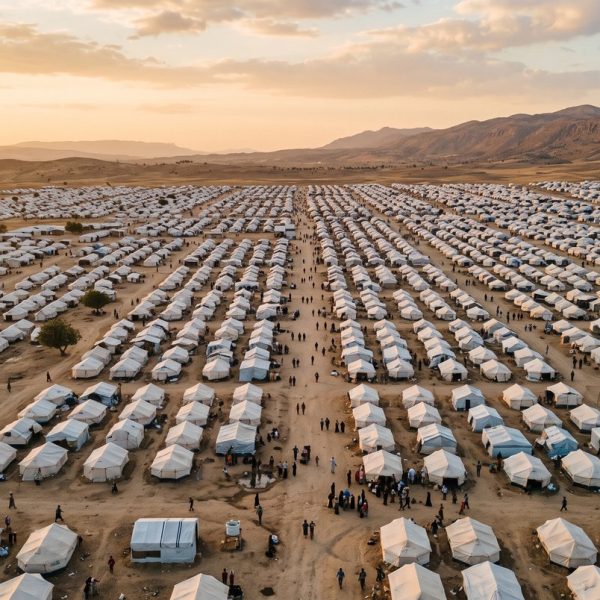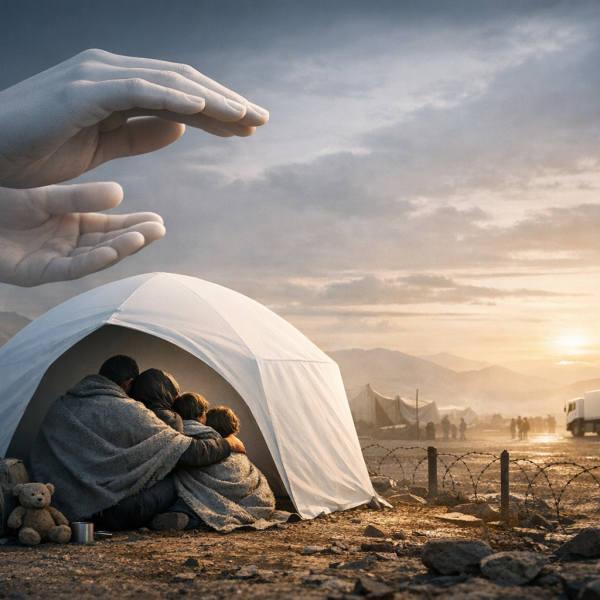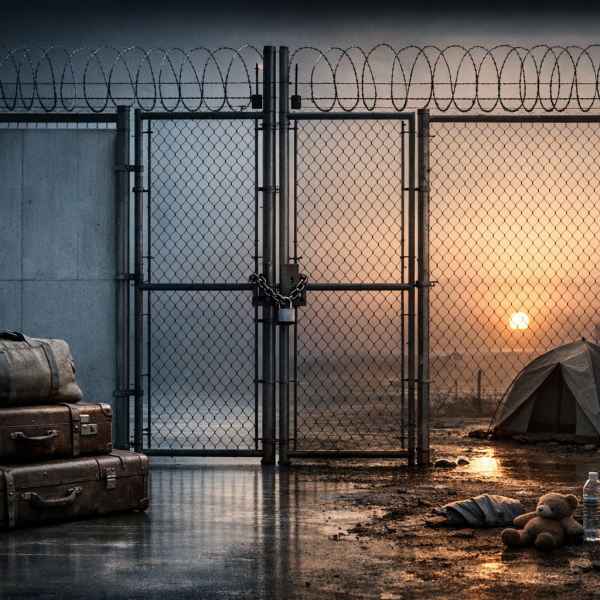
Behind every border crossing and news soundbite is a human being trying to rebuild a life from fragments. When someone is forced to flee their home, the journey doesn’t end at a camp, a checkpoint, or even the granting of asylum. It continues in everyday struggles—finding work, proving identity, accessing healthcare, and supporting a family—often in a language and legal system they barely understand. To grasp what this reality looks like, we need to move past headlines and look closely at the layers of pressure, resilience, and practical challenges that shape a refugee’s daily existence.
1. Leaving Home Is Almost Never a Choice
Most people don’t wake up and casually decide to abandon their country, career, and community. War, persecution, natural disasters, and state-sanctioned violence push refugees to the edge, leaving no safe alternative but to leave. They walk away from homes they built over decades, cherished possessions, family graves, and sometimes relatives who cannot travel. This is not migration for opportunity; it’s evacuation for survival. The emotional cost of this forced departure lingers long after the physical journey ends.
2. Legal Status Is Complicated and Constantly Questioned
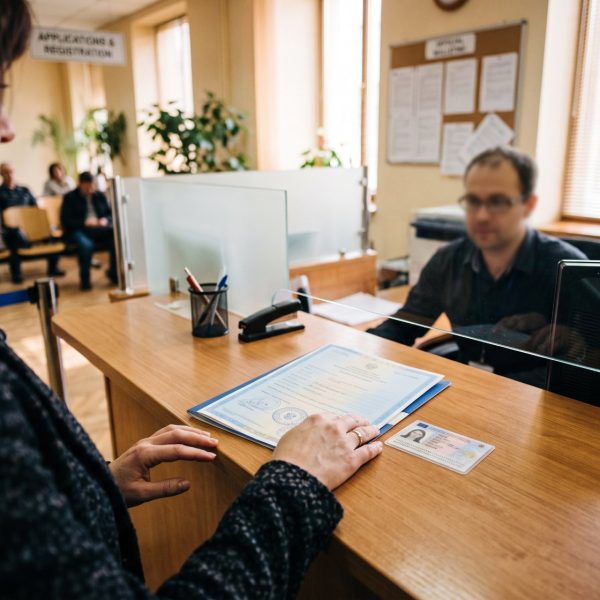
Being a refugee isn’t simply a label; it’s a legal category defined under international law. Yet on the ground, rights and protections vary dramatically from one country to another. Refugees often navigate a maze of asylum applications, temporary permits, and shifting regulations. One expired document can mean losing work, housing, or even freedom of movement. In many host countries, bureaucracy is slow and confusing, creating months or years of uncertainty while people wait to know if they can stay.
3. Survival Depends on Rebuilding Livelihoods from Scratch
After immediate needs like shelter and food are met, the next urgent challenge is income. Many refugees were professionals—teachers, shop owners, engineers, drivers—before displacement. In a new country, their degrees may not be recognized, and formal jobs might be out of reach. This pushes many into the informal economy: freelancing, small-scale trade, or starting micro-businesses such as tailoring, cooking, tutoring, or online services. In this context, even basic tools like an **invoice generator free pdf** can be a lifeline, helping people present professional documentation, track payments, and negotiate with clients while they slowly rebuild economic stability. Reliable digital tools that don’t require advanced equipment or complex subscriptions can make an outsized difference when every transaction counts.
4. Language Barriers Affect Far More Than Communication
Not speaking the local language is more than a social inconvenience; it’s a barrier to safety and rights. Without adequate language skills, refugees struggle to understand legal documents, communicate with doctors, enroll children in school, and advocate for themselves in official settings. Misunderstanding a clause in a rental agreement or visa document can have serious consequences. Many rely on community volunteers or overworked translators just to handle basic paperwork, adding time, cost, and emotional stress to already difficult situations.
5. Documentation Becomes a Daily Battle
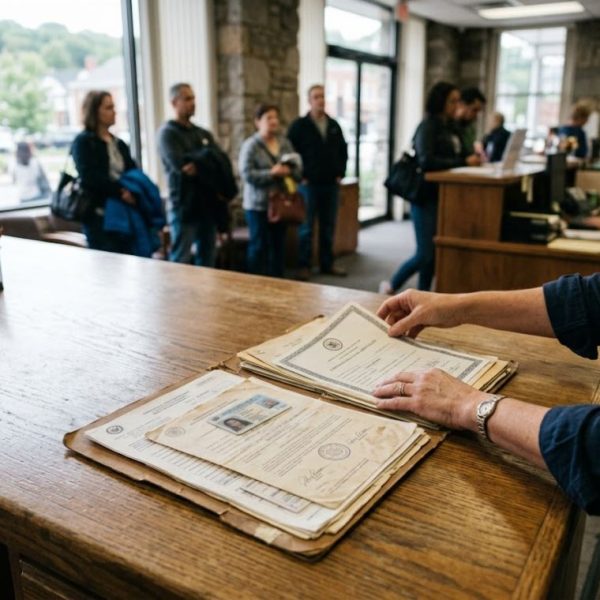
Passports, birth certificates, marriage licenses, diplomas, medical records—these are often lost or destroyed during sudden flights from danger. Replacing them in a new country can be nearly impossible, especially when original issuing authorities are in conflict zones or non-functional states. Without papers, proving identity, skills, or even age becomes an uphill battle. Refugees are frequently asked for documents they don’t have and cannot safely retrieve, leaving them stuck in a limbo where they are expected to prove things they cannot possibly prove.
6. Mental Health Struggles Are Deep but Often Invisible
Experiences of war, persecution, and loss leave lasting psychological scars. Many refugees live with trauma, anxiety, depression, or survivor’s guilt, even if they appear “strong” externally. At the same time, access to mental health care is limited, especially in overcrowded camps or low-resource host communities. Cultural stigma can also discourage people from seeking help. The need to stay focused on survival—finding housing, food, and work—often pushes emotional healing to the bottom of the priority list, even though it underpins long-term resilience.
7. Education for Children Is Interrupted, Sometimes Permanently
For children, displacement can mean years without schooling. Some spend critical developmental periods in transit camps or temporary shelters where schooling options are minimal or inconsistent. Even when host countries open their schools, there may be language gaps, lack of records, or discrimination that makes enrollment difficult. Falling behind in education has long-term consequences, limiting future employment opportunities and prolonging cycles of poverty for refugee families across generations.
8. Integration Is a Two-Way Process, Not a One-Sided Responsibility
Refugees are often told to “integrate,” learn the language quickly, and adapt to local customs. But meaningful integration requires effort and openness from host communities as well. Access to language classes, fair hiring practices, anti-discrimination protections, and inclusive community spaces all play key roles. When local institutions, employers, and neighbors create room for newcomers, refugees can contribute their skills, cultures, and perspectives, strengthening the social and economic fabric of the host country.
9. Stereotypes Obscure the Diversity of Refugee Experiences
The word “refugee” is often used as if it describes one type of person. In reality, refugees come from every social background, profession, and education level. Some are farmers; others are programmers, artists, doctors, students, or entrepreneurs. Reducing them to a single identity erases their individuality and makes it easier to justify exclusion. Recognizing this diversity is essential to designing policies and community responses that allow people to use their abilities rather than remain stuck in dependency.
10. Digital Access Is No Longer Optional
From asylum applications to job searches and school registrations, much of modern life is handled online. Without smartphones, reliable internet, or digital literacy, refugees are effectively locked out of essential services. Many rely on community centers or shared devices to fill out forms, attend remote classes, or connect with distant family members. Simple, mobile-friendly tools and platforms, available in multiple languages, are crucial for opening doors to employment, education, and civic participation.
11. Host Communities Also Face Real Pressures
Acknowledging what refugees go through doesn’t mean ignoring the challenges of host communities. Sudden population increases can strain housing, healthcare, and schools—especially in regions that already have limited resources. When these pressures are not managed fairly and transparently, frustration can easily be misdirected at refugees instead of at underfunded systems. Sustainable solutions require investment, planning, and clear communication so that both long-term residents and newcomers can share resources without being pitted against each other.
12. Dignity and Agency Are Central to Any Real Solution
At its core, the refugee experience is about losing control—over one’s home, safety, and future. Effective responses aim to restore agency. That means enabling people to work legally, start businesses, access banking, and participate in community decisions rather than remain passive recipients of aid. When refugees are treated as partners, not problems, they can rebuild their lives in ways that benefit both themselves and their host societies.
Conclusion: Looking Beyond Labels to Human Realities
Understanding what it truly means to live as a refugee requires looking past headlines and statistics to the everyday realities of law, work, language, trauma, and hope. Refugees are not defined solely by what they have lost but also by the ways they continue to adapt, create, and contribute under immense pressure. When individuals, businesses, and institutions recognize this complexity—offering fair opportunities, accessible tools, and inclusive policies—they help transform displacement from a permanent crisis into a chapter of rebuilding. The more we center dignity and practical support in our responses, the closer we come to societies where forced migration no longer means a lifetime on the margins.